

THAT’S A BREAKING POINT.
With postmenopausal osteoporosis, a broken bone can happen when you least expect it—turning some everyday activities into fracture risks.

Osteoporosis facts
What is osteoporosis?
Osteoporosis is a disease that weakens bones and gets worse over time. Some simple, everyday activities can become a fracture risk. Many women don’t even know they have osteoporosis until they break a bone.
What causes it?
Due to estrogen loss after menopause, your body begins to lose more bone than it creates. Women with osteoporosis lose up to 20% of their bone density within 5 to 7 years after menopause.
Broke a bone?
Some women think breaking a bone is the result of a misstep or from being clumsy. No matter how careful you think you’re being, you are still at risk of breaking a bone from osteoporosis.
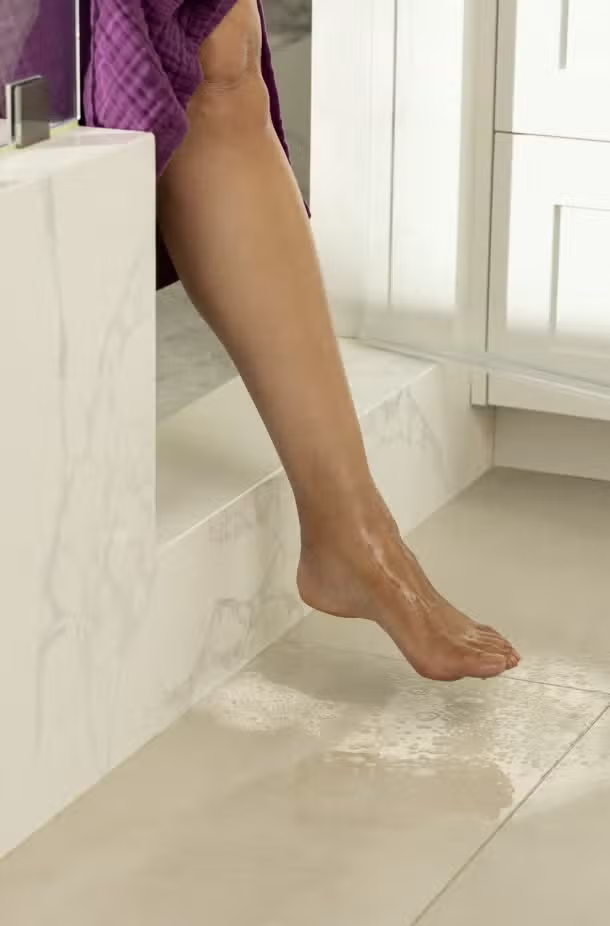
Once you’ve broken a bone from osteoporosis, you’re
5x
more likely to break another within 1 year.
gold
border-left
That next break could be your breaking point
If you’ve broken one bone from osteoporosis, you’re more likely to break another. And that next broken bone could be a life-changing event.

The good news?
You can take charge of your PMO by talking to your doctor about a treatment plan to reduce the risk of fracture.
Learn about a medication option
variant-1
confirm-modal
In postmenopausal women, hospitalizations due to fractures are more common than those for heart attack, breast cancer, or stroke.
gold
border-right
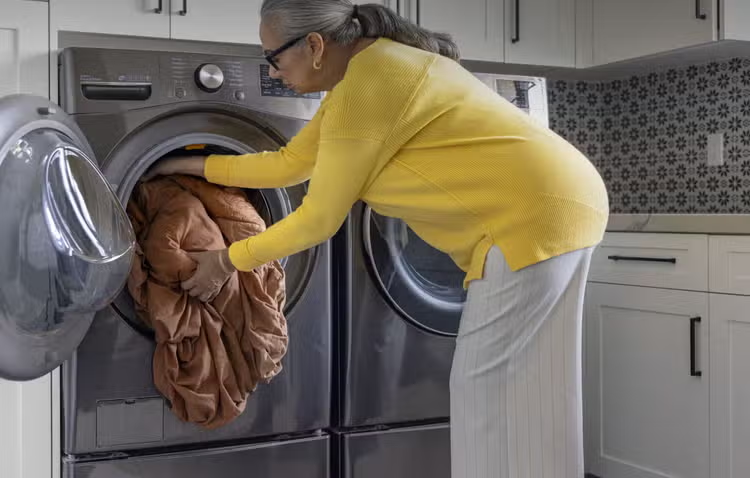
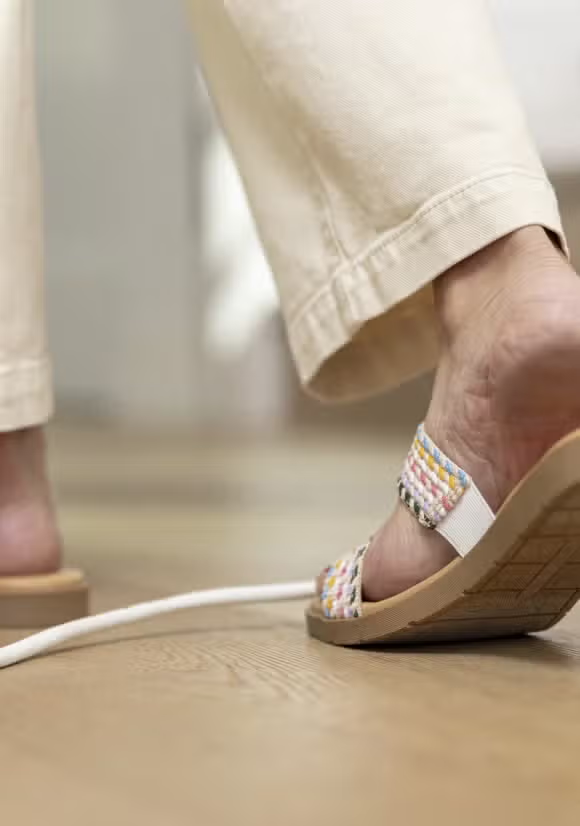
Left untreated, osteoporosis puts you at risk in everyday situations, like slipping or falling, tripping over a cord, or even picking up your grocery bags.
Explore a medication option
variant-3
confirm-modal

Treatment can help
Learn how to reduce your risk
Osteoporosis is progressive which means bone loss gets worse without treatment. That’s why it’s important to talk to your doctor sooner rather than later.
Find out about a medication option
variant-1
confirm-modal
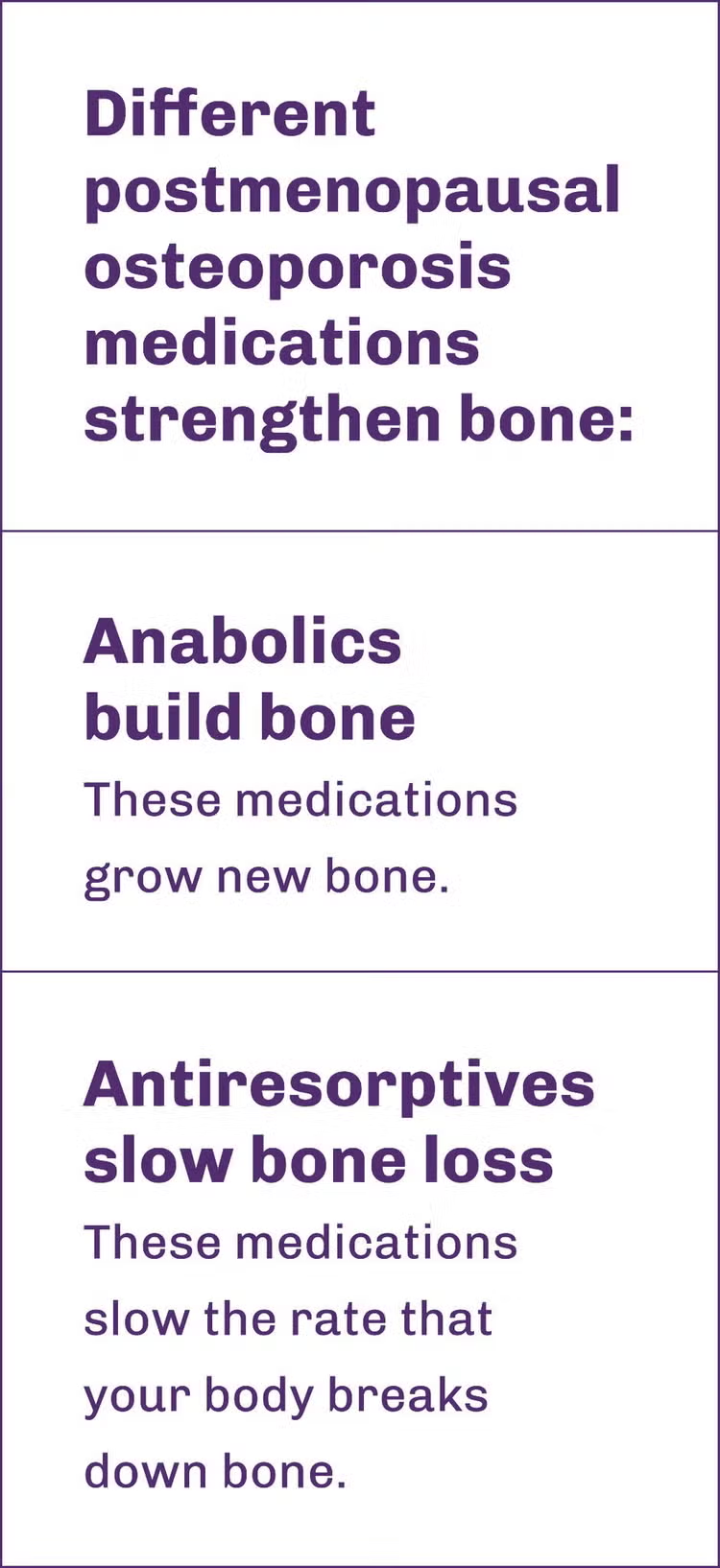
What’s your risk level?
With postmenopausal osteoporosis, you may be considered at very high risk for fracture if you answer “yes” to at least one of the following:
- Have you broken a bone within the last 12 months?
- Have you broken multiple bones?
- Have you broken a bone while on treatment for osteoporosis?
- Have you fallen in the past year?
- Is your T-score below -3.0?
If you answered “yes” to at least one of the above, it’s important to talk to your doctor.
Discover a medication option
variant-1
confirm-modal
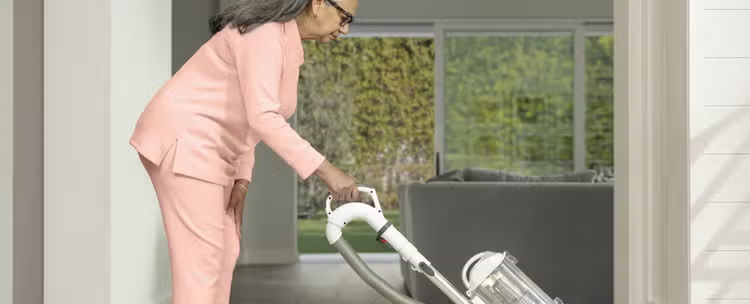
You can do more to reduce your risk
- Identify trip hazards in your home to prevent falls
- Take vitamin D and calcium as directed by your doctor
- Eat a well-balanced diet
- Ask your doctor if any of your medications may increase your fall risk
- Have your eyesight checked—good vision can help prevent falls
- Exercise can help prevent falls by improving your balance and strength
See how a medication option can help
variant-1
confirm-modal
How well do you know your osteoporosis?
Answer True or False to each statement and find out.